Bloyzi: A Graffiti-Inspired Display Font for Bold Branding
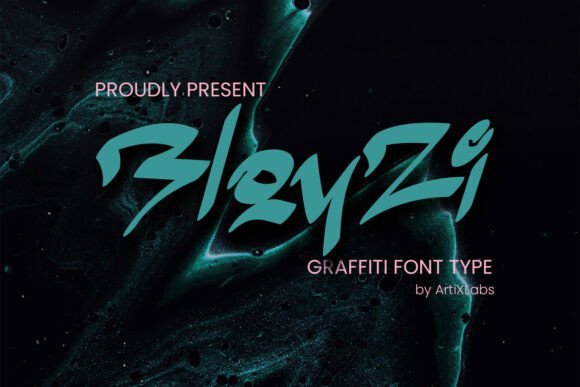
Opening a fresh brand board one afternoon, I was hunting for a font that could capture the spirit of a local street art café. That’s when I stumbled upon Bloyzi—a graffiti brush display font that immediately felt like it belonged in the world of urban creativity. With its fluid strokes and raw energy, Bloyzi exudes a distinctive handstyle dynam that’s hard to ignore.
Bloyzi on a Café Logo: Street Style Meets Brand Identity
Testing Bloyzi on a logo concept for a boutique café, I found it perfectly suited for a brand aiming to feel edgy yet approachable. Bloyzi’s bold, expressive characters brought a sense of authenticity to the logo, making it stand out against more conventional sans-serif or serif fonts. It worked especially well as a display font, capturing the vibrancy of urban graffiti while maintaining enough legibility to be recognizable at a distance.
The font’s dynamic curves and uneven edges gave the café identity an artistic flair that resonated with a younger, culturally aware audience. Pairing it with a clean sans-serif font for supporting text helped balance the design without losing the core personality of Bloyzi.
Bloyzi in Packaging Design: Edgy Labels for Handmade Goods
When I used Bloyzi on a packaging mockup for a handmade soap brand, the results were striking. The font’s graffiti-inspired style aligned beautifully with the product’s artisanal roots. Applied to labels and tags, Bloyzi added a touch of rebellious charm that elevated the overall look from generic to unforgettable.
I noticed that Bloyzi performed best in larger sizes, where its intricate details shone through. However, when scaled down too much, some of the finer strokes became less defined. This made it clear that Bloyzi is best reserved for short phrases and headlines rather than long body text or small print applications.
Bloyzi on Social Media Graphics: Capturing Attention Instantly
For a social media layout promoting the same handmade soap brand, Bloyzi proved to be a powerful tool for grabbing attention. Used in Instagram posts and Facebook banners, the font stood out against minimalist backgrounds and bright visuals. Its unique character shapes and dynamic flow made every post feel like a piece of street art.
I experimented with different color palettes and found that Bloyzi worked particularly well in high-contrast combinations—black on white, neon pink on dark blue, or even muted grays on a deep red backdrop. Each combination amplified the font’s visual impact, reinforcing the brand’s creative edge.
Bloyzi in Web Design: Hero Sections and Headlines
Applying Bloyzi to a website header for the café project, I discovered that it brought a refreshing sense of movement and energy to the homepage. Used as the main headline in the hero section, Bloyzi complemented the imagery of street murals and urban landscapes, creating a cohesive visual narrative.
However, I also learned that Bloyzi should not be overused. When paired with other display fonts or used in multiple sections of a single page, it risked overwhelming the viewer. Limiting its use to key areas like headlines and call-to-action buttons kept the design focused and professional.
Bloyzi for Business Cards: A Touch of Rebellion in Print
Using Bloyzi on a business card for a creative studio, I was impressed by how it transformed a simple card into something memorable. The font’s handstyle dynam gave the card a sense of individuality that traditional fonts often lack. It was ideal for a brand looking to stand out in a sea of corporate sameness.
Despite its strengths, I made sure to test Bloyzi on different paper stocks and finishes. On glossy cards, the ink bled slightly, which affected readability. Matte finishes provided better clarity, proving that material choice can significantly influence how Bloyzi performs in print.
When Bloyzi Might Not Be the Right Choice
While Bloyzi is undoubtedly a standout display font, it may not be suitable for all projects. Its stylized nature makes it less appropriate for formal corporate branding, legal documents, or any context requiring strict readability standards. Long paragraphs of text in Bloyzi would be difficult to read, so it’s best used sparingly and strategically.
Additionally, if you're targeting an older demographic or a more conservative market, Bloyzi’s edgy aesthetic might not align with the brand’s tone. Always consider your audience and the message you want to convey before committing to this font in final client work.
Practical Tips for Using Bloyzi
If you're considering using Bloyzi for your next project, take time to test it across various platforms and sizes. Check how it looks on digital screens, printed materials, and different background colors. Also, ensure you have the proper commercial font licensing before incorporating it into client deliverables, templates, or merchandise.
Font pairing is another important consideration. Bloyzi pairs well with modern sans-serif fonts for balance, but avoid combining it with overly decorative or script fonts that might clash. Keeping the rest of your typography system clean and consistent will help maintain professionalism while still showcasing Bloyzi’s unique character.