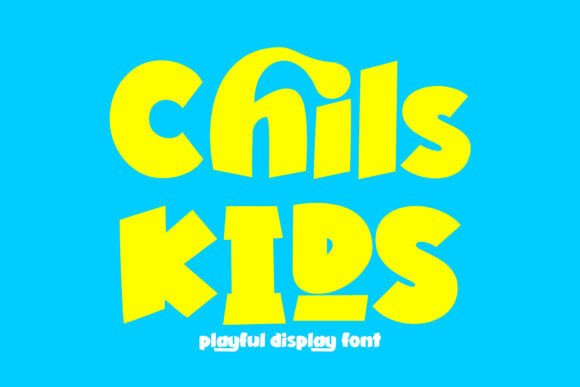
Chil Kids Font: A Vibrant Display Typeface for Creative Projects
Chil Kids on a Brand Board: A Spark of Creativity
Opening a blank brand board one afternoon, I was in search of something that would bring energy and charm to a new boutique identity project. That’s when I stumbled upon Chil Kids, a display font bursting with jubilant energy and inspired by the vivacious spirit of children's imagination. It wasn’t just a typeface—it felt like a creative instrument infused with charm, charisma, and cheerful optimism.
I immediately tested it on a logo concept for a playful children’s toy brand. The result? A visual spark that made the whole concept feel alive. Chil Kids has a whimsical yet professional edge, making it perfect for projects that need both fun and clarity.
Chil Kids in Packaging Design: Playful Yet Professional
Next up, I placed Chil Kids on a product mockup for a line of handmade children’s books. The font’s rounded edges and lively curves gave the packaging a sense of warmth and approachability. It worked beautifully as a headline on the front cover and even added charm to the back panel’s tagline.
What stood out was how well it balanced playfulness with professionalism. Unlike some overly cutesy fonts, Chil Kids doesn’t sacrifice readability or sophistication. It’s ideal for brands targeting young audiences without losing their brand’s credibility.
It performed especially well on product labels and small print areas, where its clean lines and legible forms made it easy to read from a distance. This makes it an excellent choice for packaging design, retail signage, and any visual asset that needs to be both eye-catching and functional.
Chil Kids on Social Media: Engaging and Eye-Catching
For the social media layout of the same brand, I used Chil Kids in a few key spots—like Instagram posts and Facebook banners. The font’s upbeat personality really shone through in short phrases and call-to-action buttons.
It brought a sense of joy and spontaneity to the content, which aligned perfectly with the brand’s voice. I paired it with a minimalist sans serif font for body text, which helped maintain a balance between creativity and clarity. This kind of font pairing is essential for maintaining visual harmony in digital spaces.
The font also looked great in animated text overlays and video titles, where its dynamic curves added movement and rhythm to the visuals. For designers working on social media graphics, this is a powerful tool to elevate engagement and create a memorable brand presence.
Chil Kids for Web Design: A Headline Hero
In the website header of the brand, I used Chil Kids as the main headline font. Its bold and expressive nature made it stand out against a soft background, drawing attention to the brand name while still feeling friendly and inviting.
While not suitable for long-form content, it excelled at headlines, hero sections, and callout boxes. It added a touch of personality to the site without overwhelming the user experience. As a display font, it’s best used sparingly but strategically to guide visual hierarchy and brand storytelling.
Testing it across different screen sizes showed that it remained readable and visually appealing, even on mobile devices. This makes it a solid option for web design projects that want to inject some character into their typography without compromising usability.
When to Avoid Chil Kids: Practical Considerations
While Chil Kids is a versatile and expressive font, it’s important to recognize its limitations. It’s not the best fit for long paragraphs of body text or formal corporate communications. Its playful style can come off as too casual for more serious contexts, such as legal documents or financial reports.
Additionally, due to its decorative nature, it may not be ideal for very small text sizes or low-resolution prints. Always test it in context before using it in final client work. If you're unsure, consider using it as an accent or headline font rather than a primary typeface.
Lastly, remember to review the commercial font licensing before using Chil Kids in client work, brand identity systems, templates, or any other commercial application. Ensuring proper licensing is crucial for protecting both your and the designer’s rights.