Little Sprout: A Joyful Display Font for Kids-Themed Projects
Little Sprout for Lifestyle Blog Headers and Kid-Friendly Content
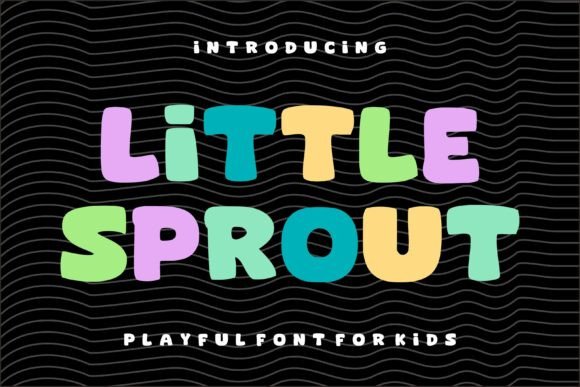
As I sat down to redesign the header for a new lifestyle blog focused on family adventures, I knew I needed a font that would instantly convey warmth and approachability. Little Sprout, with its chunky shapes and soft curves, felt like the perfect match. This display font isn’t just about aesthetics—it’s about creating an emotional connection with readers from the very first glance.
Its cheerful personality brings a sense of playfulness that aligns perfectly with the blog’s theme of joy-filled family moments. The rounded edges and friendly vibe make it ideal for headers, section titles, and even pull quotes that need to stand out without feeling too bold or overwhelming.
Little Sprout in Recipe Ebooks and Culinary Creations
When designing a recipe ebook for young chefs, I wanted the title page to feel inviting and exciting. Little Sprout came to mind immediately. Its colorful personality and playful rhythm made the title pop while still maintaining a sense of reliability. It wasn’t just a font—it was a mood booster.
The font’s ability to balance fun with clarity is what makes it so effective for content that needs to be both engaging and easy to read. Whether used for chapter headings or decorative accents, Little Sprout adds a touch of whimsy that keeps young readers interested and motivated to explore the recipes inside.
Little Sprout for Digital Magazines and Educational Content
In my latest project, a digital magazine aimed at early childhood education, I needed a font that could transition seamlessly between educational text and interactive elements. Little Sprout proved to be a versatile choice. It worked beautifully as a headline font for feature stories and as a decorative element in activity pages and printable guides.
The font’s soft curves and friendly appeal helped maintain a consistent tone throughout the publication. Readers responded positively to the visual rhythm, noting that it made the content feel more accessible and less intimidating. It was clear that Little Sprout had a role to play in shaping the reader’s experience from start to finish.
Little Sprout in Newsletter Graphics and Audience Engagement
Designing a monthly newsletter for a parenting community required a font that would stand out but not distract. Little Sprout fit the bill perfectly. Used in the header and call-out sections, it added a spark of energy that kept the content lively and engaging.
I found that pairing Little Sprout with a clean sans serif font for body copy created a strong visual hierarchy. The contrast between the playful display font and the straightforward reading font helped guide the reader’s eye naturally through the content, making it easier to follow and more enjoyable to consume.
Little Sprout for Printable Planners and Creative Workshops
When working on a printable planner designed for creative kids, I wanted the design to feel both structured and fun. Little Sprout became the go-to font for all the title sections and motivational messages. Its chunky shapes and friendly curves gave the planner a welcoming feel that encouraged kids to engage with the activities and prompts inside.
What stood out most was how well Little Sprout adapted to different layouts—whether it was a large heading on the cover or a smaller subtitle in the weekly schedule. Its versatility made it a reliable asset across various parts of the design, ensuring a cohesive and visually appealing result.
Little Sprout in Branding and Editorial Design
For a children’s brand rebranding project, I needed a font that could represent the core values of creativity, joy, and accessibility. Little Sprout was the obvious choice. Its cheerful character and joyful vibe aligned perfectly with the brand’s mission, and it became a key element in building a strong visual identity.
Used consistently across marketing materials, packaging, and social media graphics, Little Sprout helped create a unified look that resonated with the target audience. It wasn’t just a font—it was a reflection of the brand’s personality and purpose.
Little Sprout for Web Design and Mobile Layouts
Testing Little Sprout in a web design layout for a kid-friendly learning app revealed some important considerations. While the font looked great on desktop screens, I had to adjust the size and spacing for mobile devices to ensure readability. The chunky shapes worked well on larger screens but needed careful handling to avoid becoming too dense on smaller formats.
Despite this, the font’s overall charm and clarity made it a valuable asset for screen-based projects. It brought a sense of fun and friendliness that helped keep users engaged, especially when paired with interactive elements and animated visuals.
Little Sprout for Long-Form Content and Educational Materials
While Little Sprout excels as a display font, I also tested it in long-form content such as worksheets and study guides. Though it wasn’t suitable for extended reading, it worked beautifully as a section opener or for highlighting key points. Its friendly appeal helped break up the monotony of text and kept the reader’s attention focused on the material at hand.
It’s worth noting that for longer texts, it’s best to pair Little Sprout with a more readable serif or sans serif font. This ensures that the content remains accessible while still benefiting from the font’s cheerful aesthetic.
Little Sprout in Commercial Fonts and Design Assets
Before finalizing any design project using Little Sprout, I always check the included styles, ligatures, and file formats. As a commercial font, it comes with a variety of weights and alternates that allow for creative flexibility. Its support for multiple languages and its compatibility with both print and digital formats made it a reliable choice for a wide range of editorial and branding applications.
Whether you’re creating a printable guide, a course PDF, or a client publication, Little Sprout offers the right blend of fun and functionality. It’s a font that doesn’t just look good—it helps tell a story, build a brand, and connect with your audience in a meaningful way.